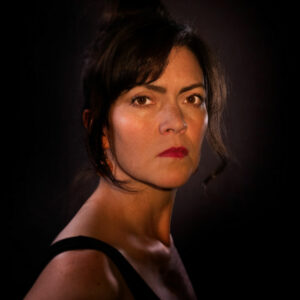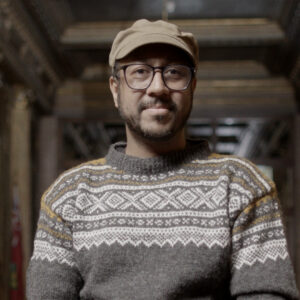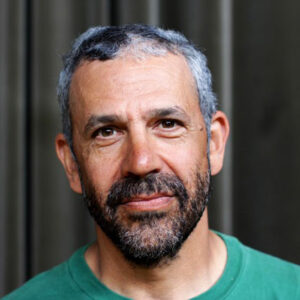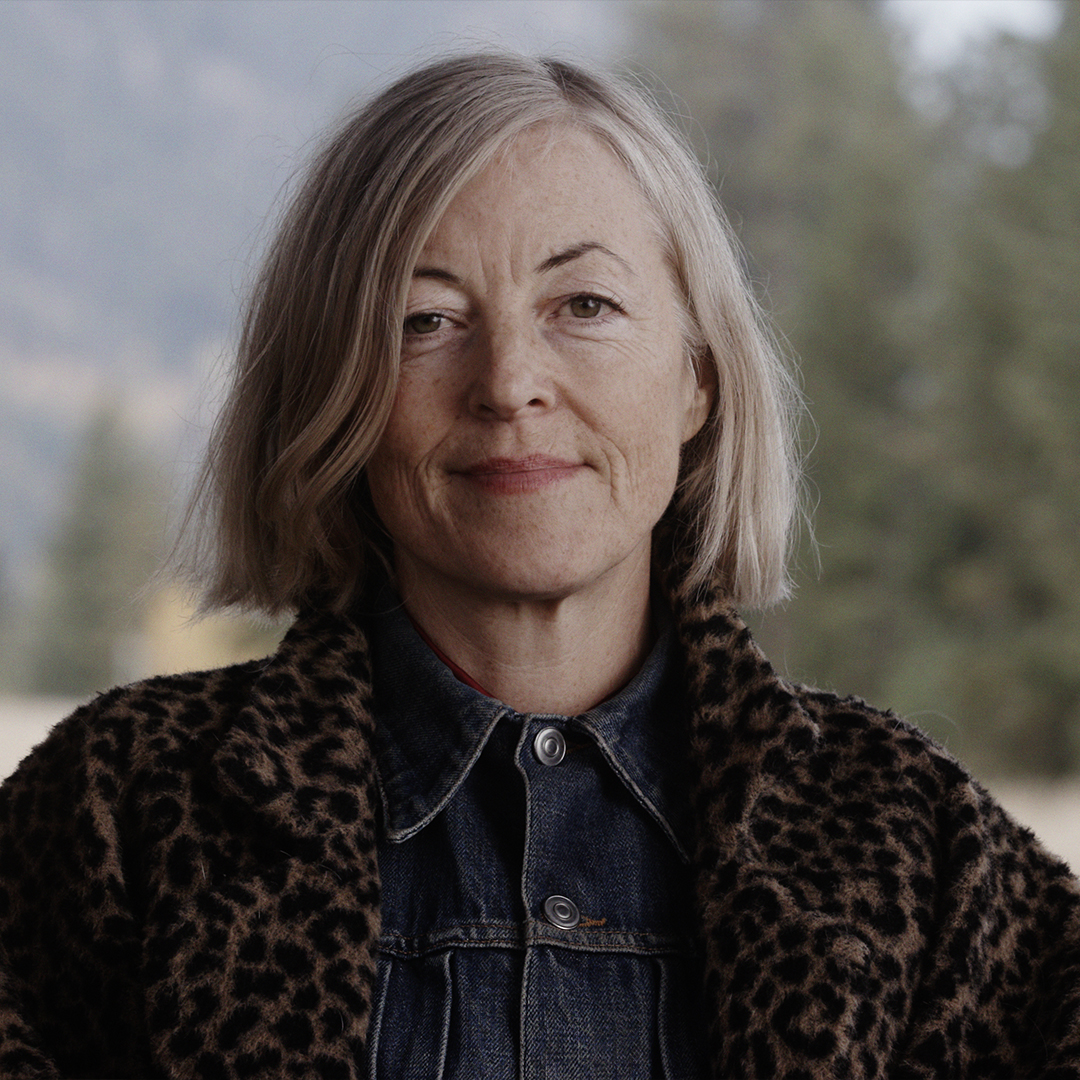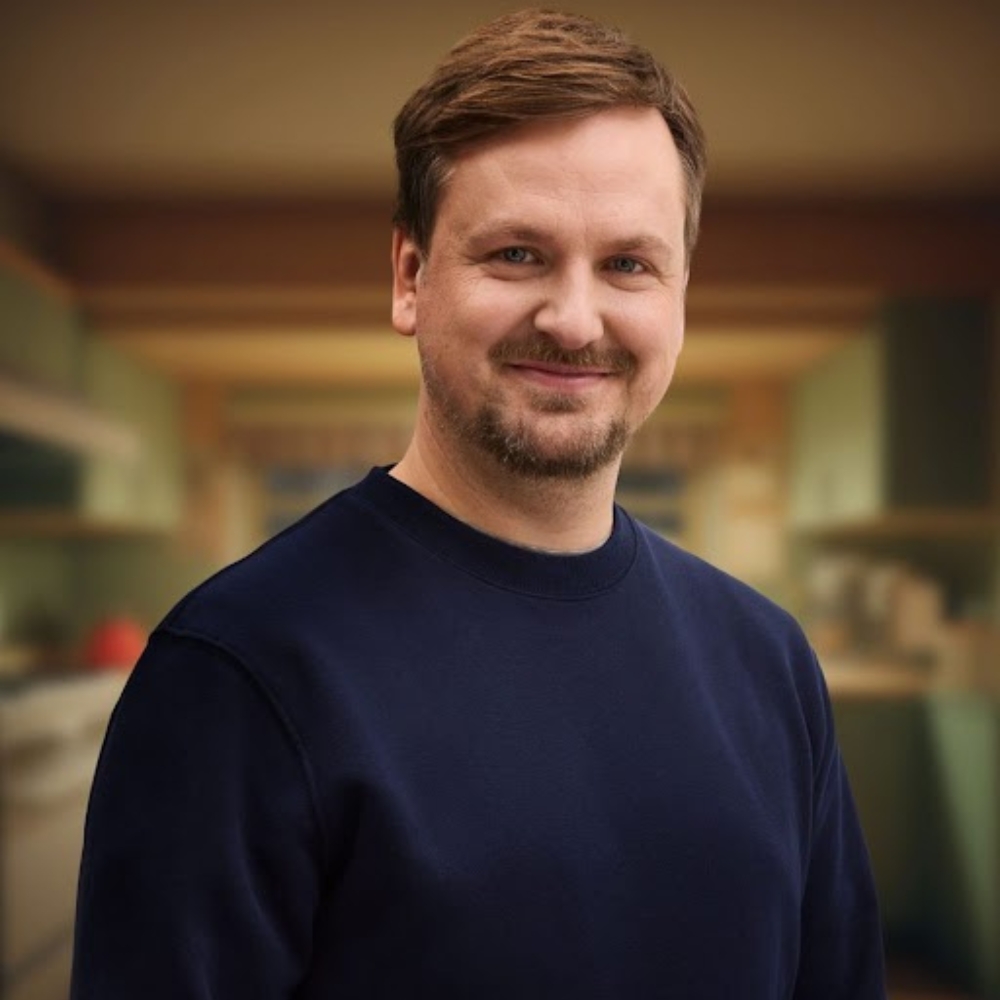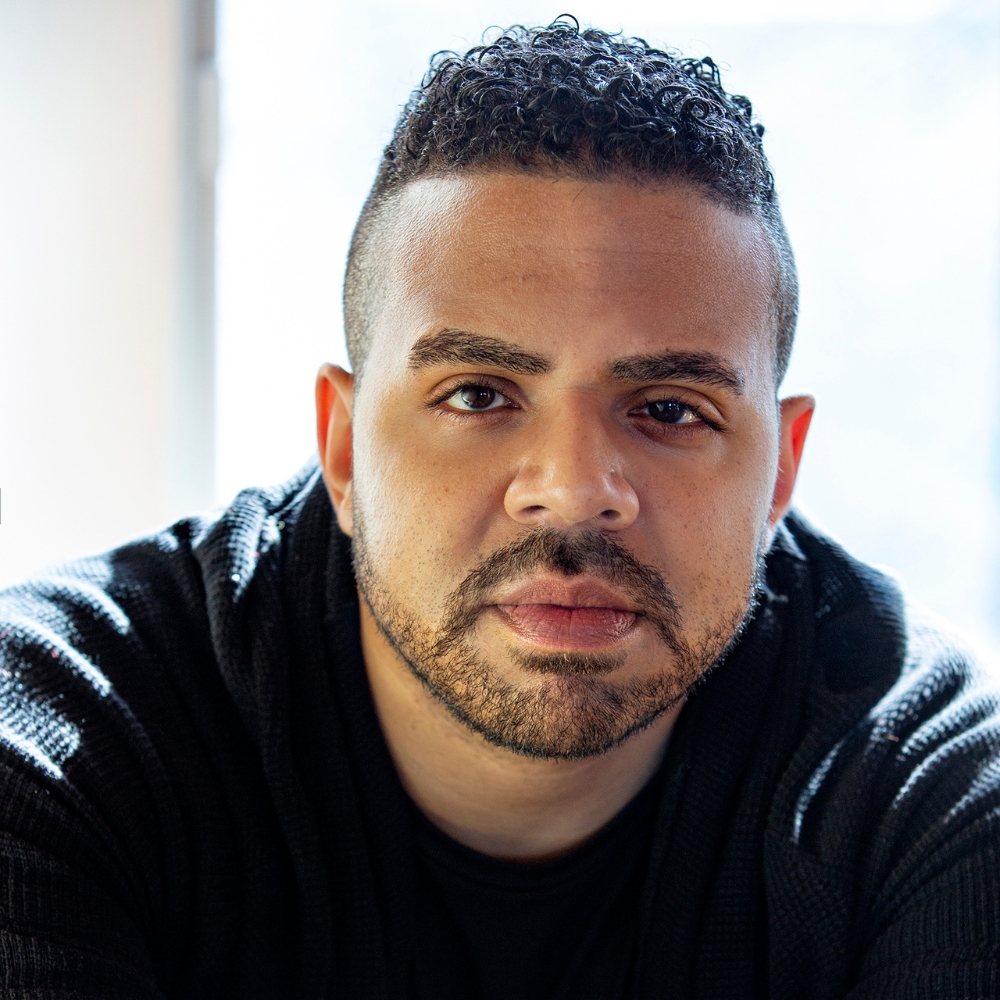
Ravi Jain
Laureate, 2025
Finalist, 2016, 2019, 2022
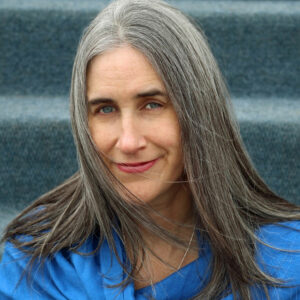
Image: Name, Title, Description
01
Biography
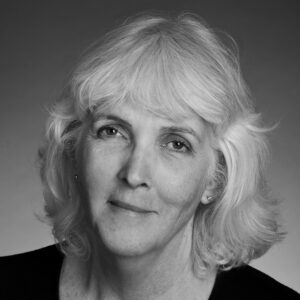
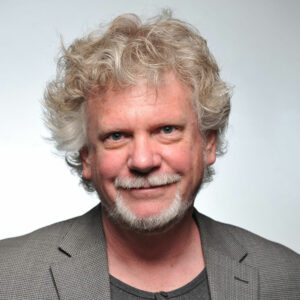
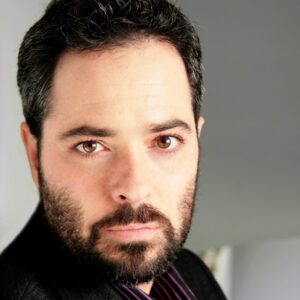
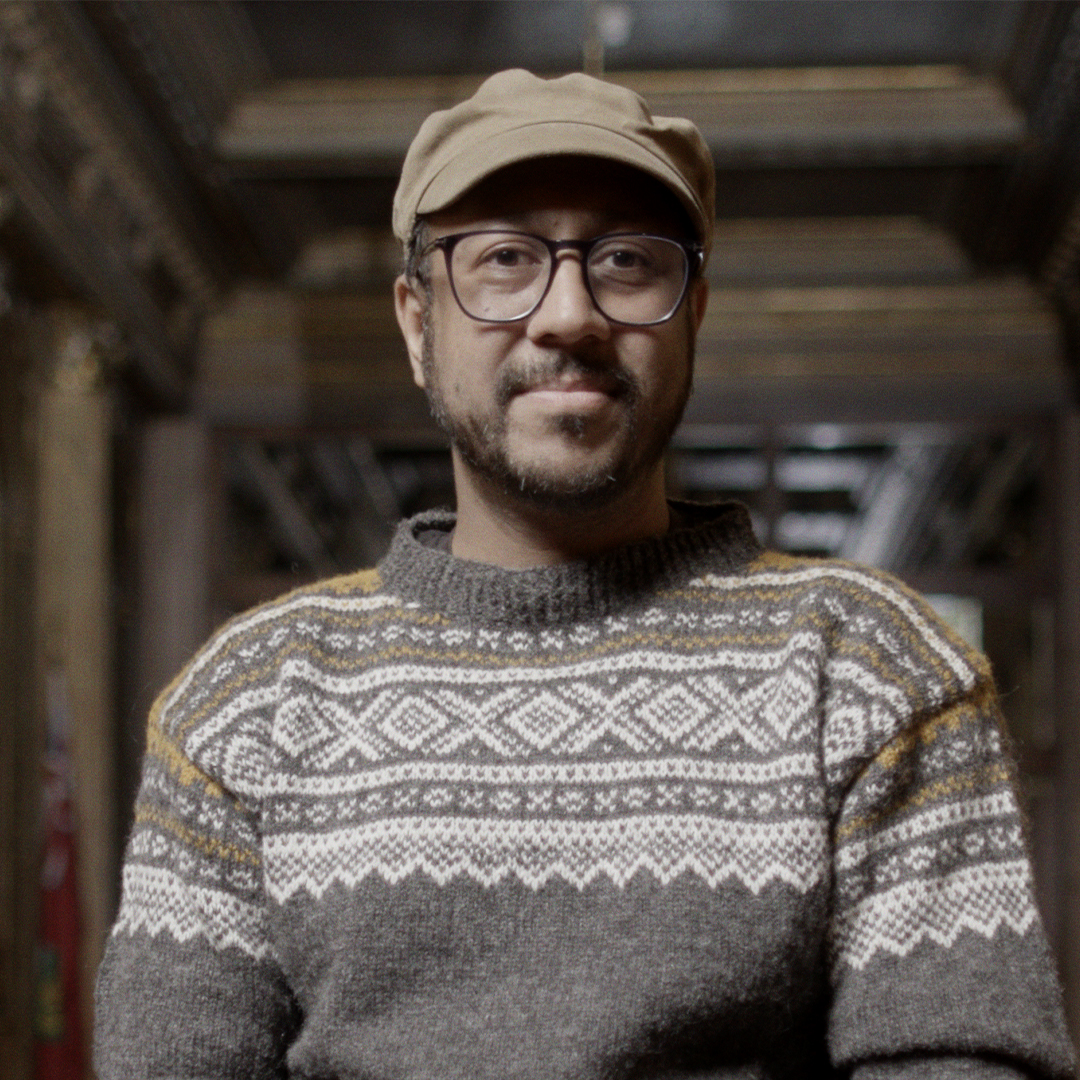
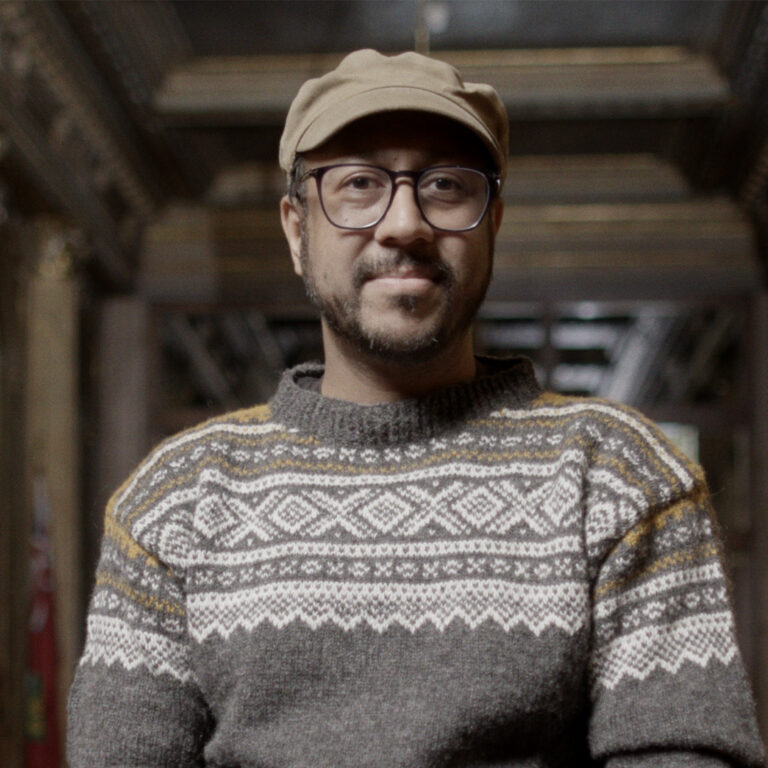
Ravi Jain is a highly acclaimed theatre maker known for making politically bold, accessible, and thought-provoking theatrical experiences that are changing the face of Canadian theatre. A visionary artistic director, versatile director, astute producer, and playful actor, he has spent his career reimagining what theatre can be, impacting the lives of both audiences and artists alike.
With Why Not Theatre, Mr. Jain has created over forty collaborations and performed over five continents. Ravi’s work tours for many years after it is made and has been presented across Canada and internationally at major festivals; his recent adaptation of Mahabharata, premiered at the Shaw Festival and toured to sell out the Barbican Theatre in London, and the Lincoln Centre in New York.
Mr. Jain was awarded the 2012 Pauline McGibbon Award for Emerging Director and the 2016 Canada Council John Hirsch Prize for direction and in 2022, The Johanna Metcalf Foundation Performing Arts Prize. He is a graduate of Ecole Jacques Lecoq in France.
Last Updated October 2025
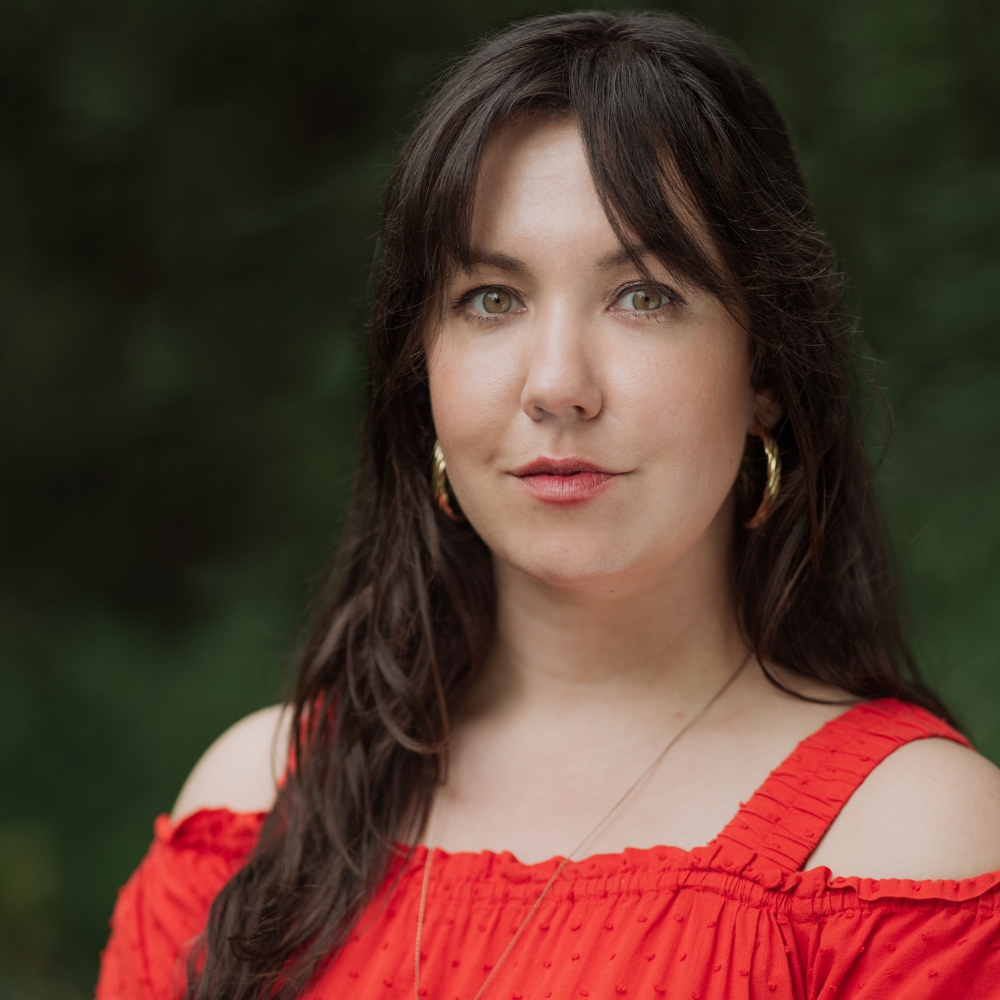
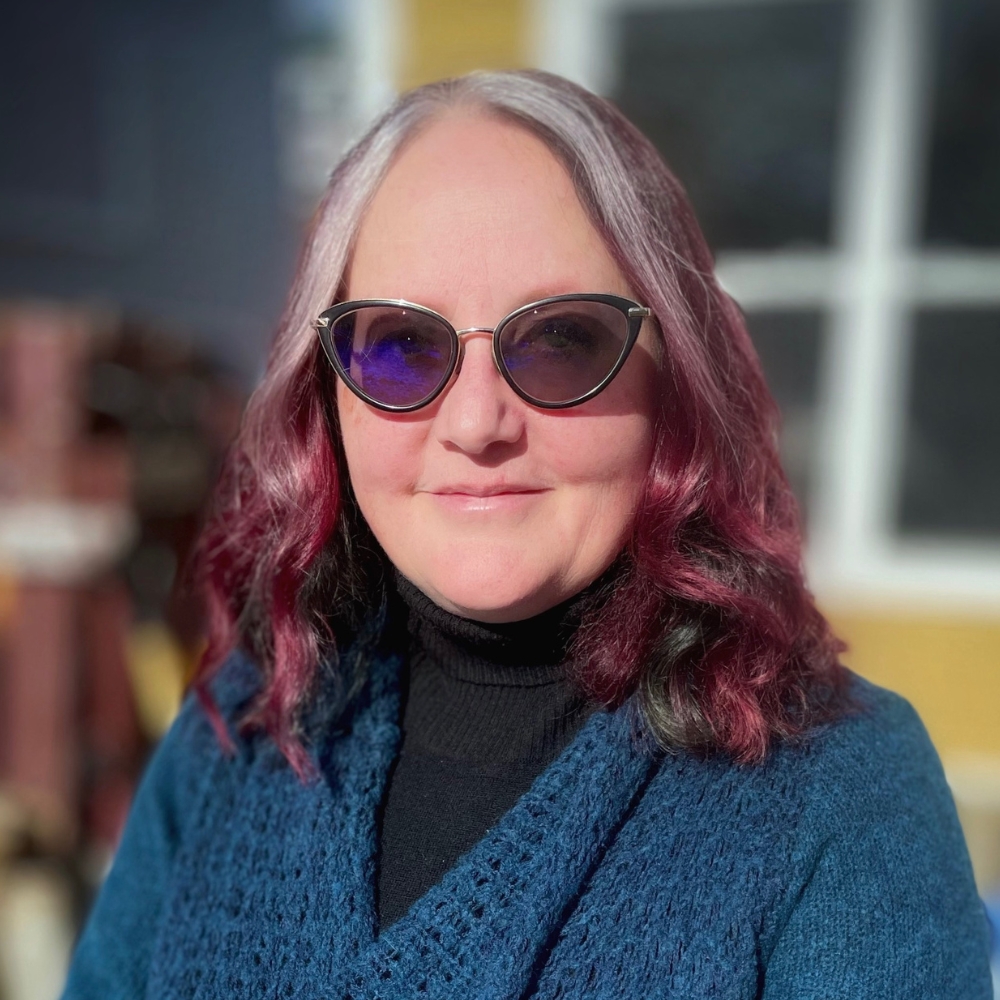
2025 Protégé

Miriam Fernandes
Acceptance Speech
I really didn’t think I was gonna be standing here and I realized I haven’t thanked anyone in the speech. So we’ll make this up as we go. Thank you, thank you for this recognition. I have to start by recognizing Adrian, Estelle, Ann-Marie. It was so lovely to have lunch today, but your work, and to be in this cohort, is so meaningful, and you guys are amazing.
I have imagined what it would be like to stand up here and deliver this speech 3 different times in my life but I never had to write the speech before. And It’s been surprisingly difficult. The last 3 times, I knew exactly what I wanted to say. And right now I don’t. I’m someone who has never been at a loss for words, but I am…lost. I mean, look, I’m 45 now, I got two kids (and haven’t slept in four years) and just ended one of the biggest projects of my lifetime. Maybe this is what they mean by ‘mid-life’ or ‘mid career…”
As I searched for what to say, I kept thinking about Elinore Siminovitch.
Elinore was a playwright, and no matter how hard she tried, no one would produce her plays. Her voice never saw the professional stages in Canada…When I heard her story, it made me very angry. Elinore was an artist but she wasn’t given a chance. She was a woman, she was a feminist, and her gender and politics were not welcome. So she was dismissed. Overlooked. I felt angry at the injustice of what she experienced. It’s an anger that burns hot in me, because what Elinore experienced is the same thing I’ve seen end, many artists careers too early – when they aren’t given the space, or resources, or the platform for their voice. It is a rage that I have battled with for decades – and it has almost consumed me on multiple occasions.
Now, I know, you are looking at me and you are saying, but you’re so funny, so cute… how can you be so angry? This anger was a fire, a necessary fuel for me to make space for my artistic voice- because from day one here in Canada I had to fight for space to prove my worth. The Canadian artistic landscape in 2007, wasn’t all that different from what Elinore experienced decades before – it didn’t have the imagination to know what to do with me…
So I thought, “I’ll show them.” I started Why Not Theatre because I wanted to challenge every assumption that people had of me, my identity, the work that I make, how I would make it and how far I could go. And I wanted the same for all the Elinores of my time. I wanted to show that there was another way to do this thing we call theatre, And I wanted us to be curious about what it could be; if we change WHO tells the story, and HOW we tell that story – we actually unlock Theatre’s superpower; the Imagination.
And the amazing thing that happened when I started Why Not, was I wasn’t alone. A whole community of artists from all corners of the city, and country, and the world felt that same anger and injustice and wanted to change the system. We all wanted an ‘anti-institution’ — to make things better; better art, better processes, better support, better world. We succeeded, we failed, we were fearless and carved new paths. We were winning battles, but not the war. Driven by rage I kept smashing into the systemic barriers that kept presenting themselves. I was a grenade; exploding. rinse. repeat.
Mahabharata was a juggernaut born out of that angry fire. In a way, it was conceived as a defiant act for all those same people who stopped Elinore; those who believed this story and these actors aren’t worthy of an audience. And a funny thing happened in the 10 years of creating and touring this work… I sat in dark theatres with audiences in Canada, Australia, England and America… and I listened with those who were gathered. To its message, that has been passed down, by my ancestors, for thousands of years! To this story about war – and about anger, greed, and revenge… and its message is peace.
So now I’m lost. I sit in my anger. I meditate on Peace.
For thousands of years, we humans have chosen Anger over Peace.
That anger may have been the fire I have used to fuel my creativity for the past two decades, but its flames are indiscriminate. It’s the same fire fueling the genocide, climate havoc, authoritarian regimes and all things dehumanizing this world- that continue to enrage me. It is breaking my heart.
When I reflect on why we humans tell stories, I think about how we’re the only species that does that. It’s our imagination that separates us from animals. When I think of the role of the artist, I think about what it is to be human. To be humane. Peace is a uniquely human act. To choose peace is to reaffirm that we are human.
There always have and will be forces that profit from our division. Theatre, by its nature, gathers us. It asks us to consider another point of view, another experience, another way to be. We sit next to each other as neighbours. We need each other’s imaginations to create the world. And if we can imagine another world then we can create it.
Theatre remains necessary for our survival because it is, as some Indigenous communities say, a medicine… It heals. And that healing doesn’t only happen in those precious buildings Canada has invested so much money and infrastructure into. It is happening in small communities everywhere, people with little resources, far and wide, working so hard with so little to heal with stories, music, dance, painting, photography, poetry.
An artist heals the burns, reseeds the soil, puts out the flames.
An artist cleans up the mess.
When you meet an artist – support them.
When you meet an artist – thank them.
It means so much to me to be recognized on this special year for the Siminovitch prize. especially since my dear friend and mentor Daniel Brooks was the first winner of this prize… so I dunno, the milestone of 25th year feels right. In some mysterious way, I feel closer to him.
Now I’m way over my 600 word allotment and I haven’t thanked anyone yet. So please bear with me – sorry Aimee
Thank you to Lou and Elinore, to the team at the foundation. To my beautiful, amazing, artistic fellow artist nominees. To the jury. To all the people who helped nominate me.
I’ve always felt the “thank you speech” is a strange format because I thank people, and you don’t know who they are…you don’t know what they mean to me- so please indulge me, as I think of these people who brought me to this moment, I invite you to reflect with me on all those in your own life –
I reflect on my teachers and my mentors, those who championed, gave opportunity, guided in the darkest most fearful times and blew courage into sails. This is their award.
I reflect on all the supporters and collaborators, conspirators and leaders of the cheer. The people who said yes. The people who believed. The people who looked at me with curious eyes and open hearts, and they put all faith, and trust, in my hands. They said, YES! Let’s do this. You got this. We’ll figure this out… This is their award.
I reflect on those who said no, the obstacles I had to bore through or go over or around. The pain of that, the loneliness of that, the sorrow of that missed opportunity. This too is their award.
I want to reflect on my family. The people who hold me up, and bring me joy and stress, who give and take my time…those who are always there and I must remember to not take for granted – this is their award.
Lastly, I stretch the line further back to my ancestors. All the people I never have nor never will meet. I inherited the world from them. All of the choices they made led me to right here, right now. And this moment I’m in is a blip between them, and a group of other people I will never meet; those who will come after. Those who inherit my choices – our choices.
And the story of this moment – this is the baton we will pass. We will do it in the hopes that we can imagine a future that is better than the time we are in…
Let our imaginations be a catalyst for peace.
Peace to the people of Palestine, may you one day be free.
May Peace be upon you. And peace upon we.
Thank you.


02
03
Simi News
Subscribe today to the monthly e-newsletter.
> Be the first to know about current artistic projects of the Siminovitch Prize community.
> Learn about emerging artists who are shaping the future of Canadian theatre.
> Stay informed about upcoming opportunities and calls for nominations.